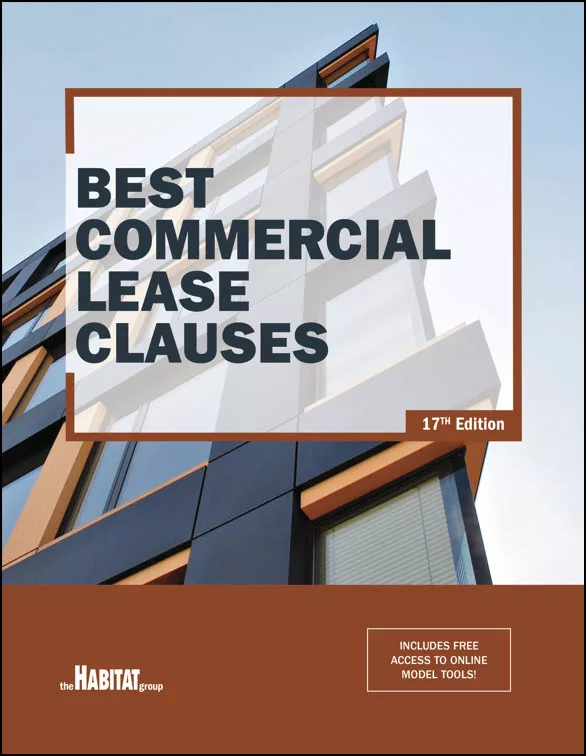
Description
New for 2025
Includes: PDF Chapters (836 pages) and 150+ Editable Model Tools in Word
Valuable Bonus
Your purchase includes digital downloads of every chapter, plus over 150 cut-and-paste Model Tools in Word—covering lease clauses, agreements, and notices—to save you hours of time and effort.
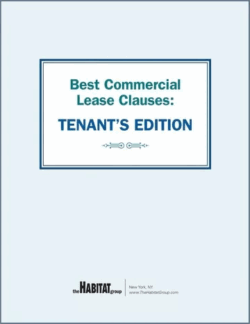
Best Commercial Lease Clauses is a wellspring of vital information for professionals seriously engaged in commercial leasing. It helps you structure safe and effective leases for a wide range of commercial tenants.
Filled with insights from top leasing attorneys and real estate professionals nationwide, this resource helps you draft smarter leases and minimize landlord-tenant disputes. All guidance is presented in plain-English terminology.
You’ll find authoritative advice, practical pointers, and concrete strategies to plug dangerous loopholes, stay within legal boundaries, and prevent trouble before it begins. This easy-to-use, one-volume reference includes:
- 150+ Model Lease Clauses and Tools
- Practical Pointers
- Real-World Examples
What’s New in This Edition
- Chapter 2: Access to Premises – Limit liability if you can’t deliver timely possession.
- Chapter 20: Estoppel/Lender Agreements – Require tenants to promptly sign lender-requested amendments.
- Chapter 24: Force Majeure – Add three key exceptions to tenant relief.
- Chapter 32: Limitations on Liability – Impose a deadline for tenants to sue over lease violations.
- Chapter 37: Percentage Rent – Cap gross sales exclusions that benefit tenants.
- Chapter 42: Relocation of Tenant – Negotiate effective relocation clauses.
- Chapter 44: Renovation – Minimize tenant interference during redevelopment.
- Chapter 51: Signage – Apply 13 limits to tenant pylon sign rights.
- Chapter 52: Special Agreements – Set reasonable rules for free speech activities.
- Chapter 53: Specialty Leasing Issues – Make 15 lease revisions for legal marijuana businesses.
- Chapter 54: Sublet/Assignment – Charge processing fees and secure direct legal action rights.
- Chapter 55: Taxes – Use base year tax reductions to calculate tenant obligations.
- Chapter 56: Termination – Provide termination rights for disability, death, or loan failure.
- Chapter 57: Use – Offer compromises for non-retail uses and specialty building changes.
Complete Table of Contents
- Chapter 1: Abandonment
- Chapter 2: Access to Premises
- Chapter 3: ADA & Liability
- Chapter 4: Alterations
- Chapter 5: Attorneys’ Fees
- Chapter 6: Audits
- Chapter 7: Bankruptcy
- Chapter 8: Buildouts
- Chapter 9: Commencement of Lease
- Chapter 10: Concessions
- Chapter 11: Condemnation
- Chapter 12: Continuous Operation
- Chapter 13: Cotenancy
- Chapter 14: Damage & Destruction
- Chapter 15: Default
- Chapter 16: Description of Premises
- Chapter 17: Dispute Resolution
- Chapter 18: Electricity
- Chapter 19: Environmental Issues
- Chapter 20: Estoppel/Lender Agreements
- Chapter 21: Exclusives
- Chapter 22: Expansion & Contraction Options
- Chapter 23: Exterior Appearance
- Chapter 24: Force Majeure
- Chapter 25: Guaranty
- Chapter 26: Holdover
- Chapter 27: Insurance
- Chapter 28: Lease Signature
- Chapter 29: Letter of Credit
- Chapter 30: Letter of Intent
- Chapter 31: Liens
- Chapter 32: Limitations on Liability
- Chapter 33: Memorandum of Lease
- Chapter 34: Notice
- Chapter 35: Operating Expenses
- Chapter 36: Parking
- Chapter 37: Percentage Rent
- Chapter 38: Pre-Lease Agreement
- Chapter 39: Radius Restriction
- Chapter 40: Recapture
- Chapter 41: Refusal Right
- Chapter 42: Relocation of Tenant
- Chapter 43: Renewal of Lease
- Chapter 44: Renovation
- Chapter 45: Rent Escalation
- Chapter 46: Rent Payment
- Chapter 47: Rent Reduction/Deferral
- Chapter 48: Safety & Security
- Chapter 49: Security Deposit
- Chapter 50: Self-Help Right
- Chapter 51: Signage
- Chapter 52: Special Agreements
- Chapter 53: Specialty Leasing Issues
- Chapter 54: Sublet/Assignment
- Chapter 55: Taxes
- Chapter 56: Termination
- Chapter 57: Use
- Chapter 58: Work Letters